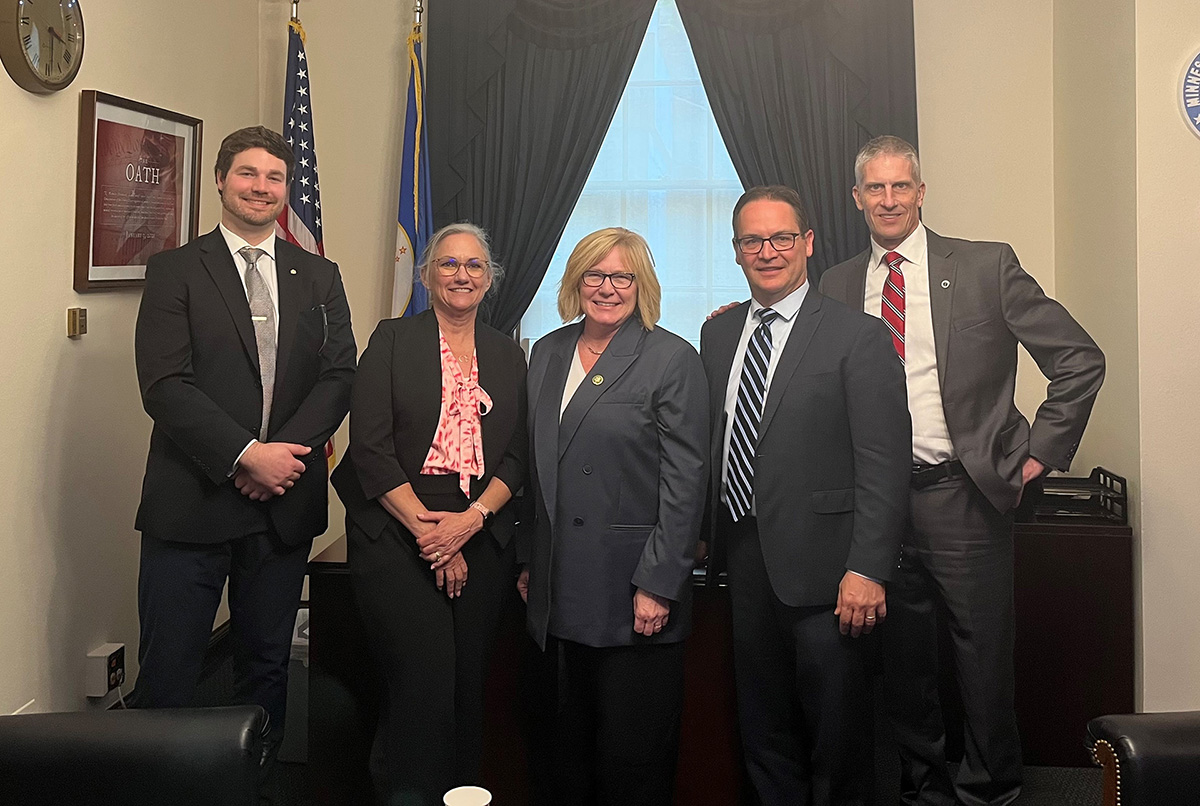
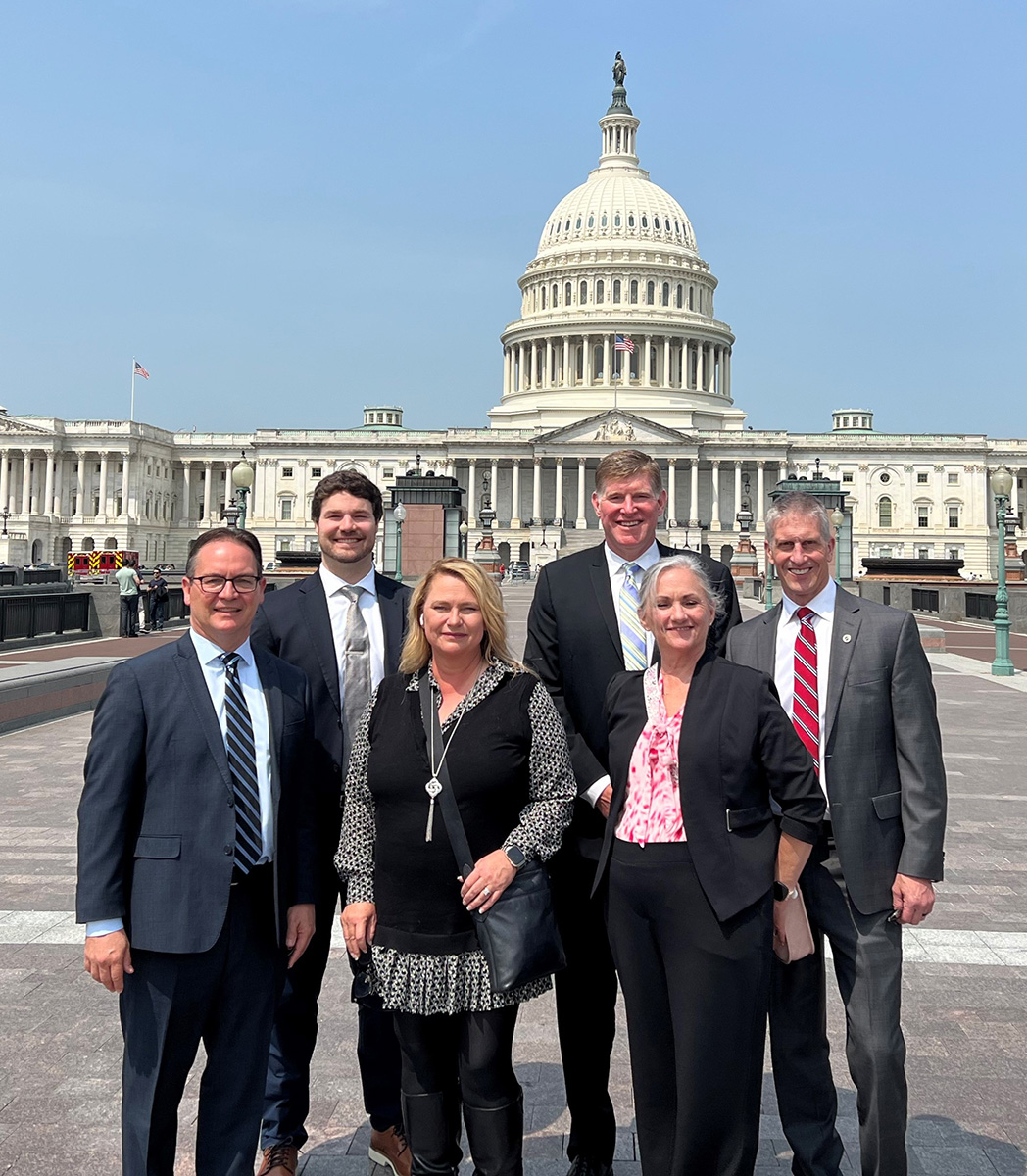
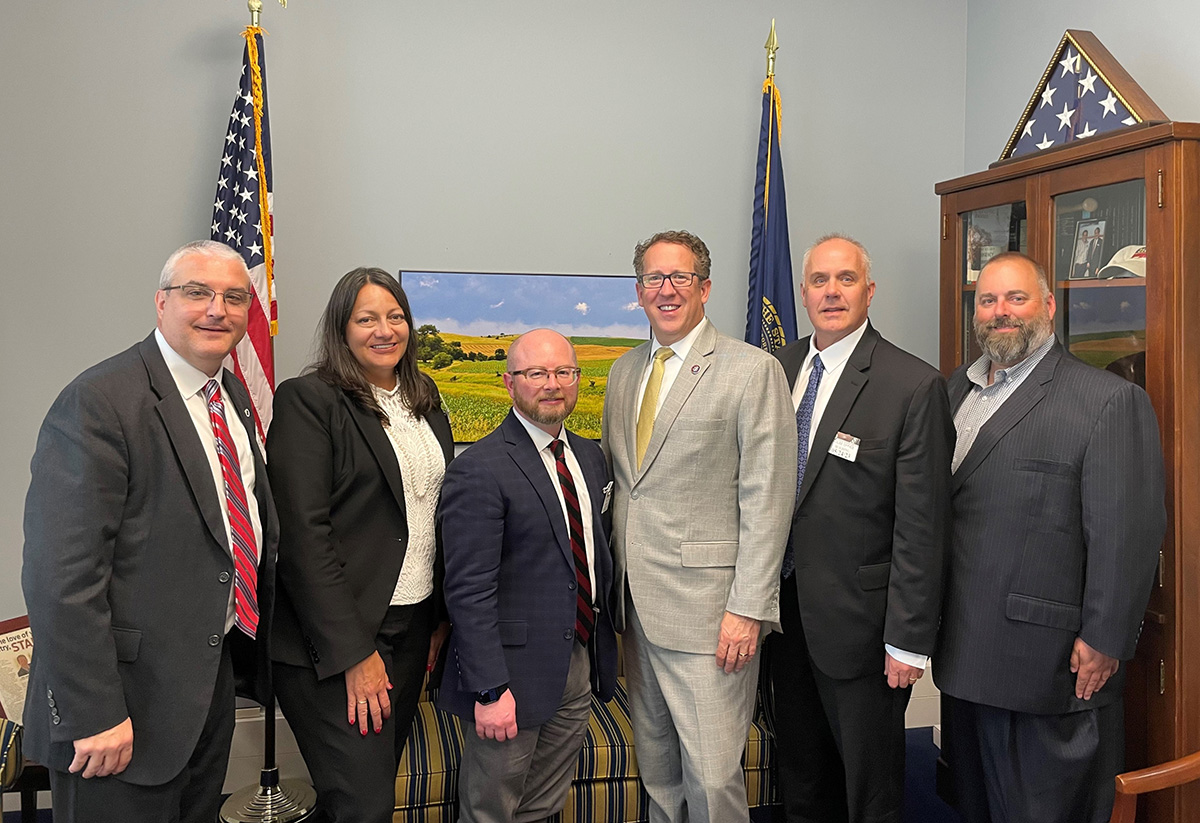
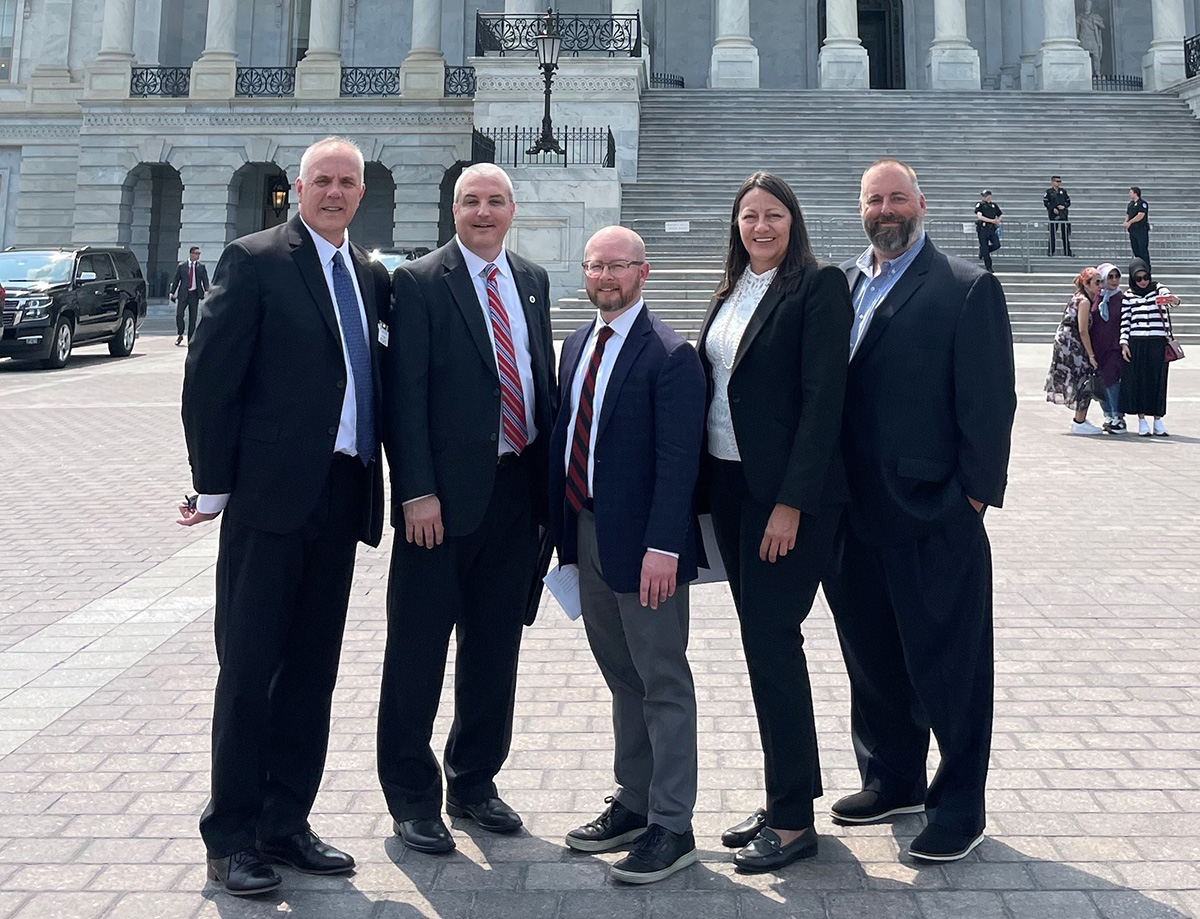
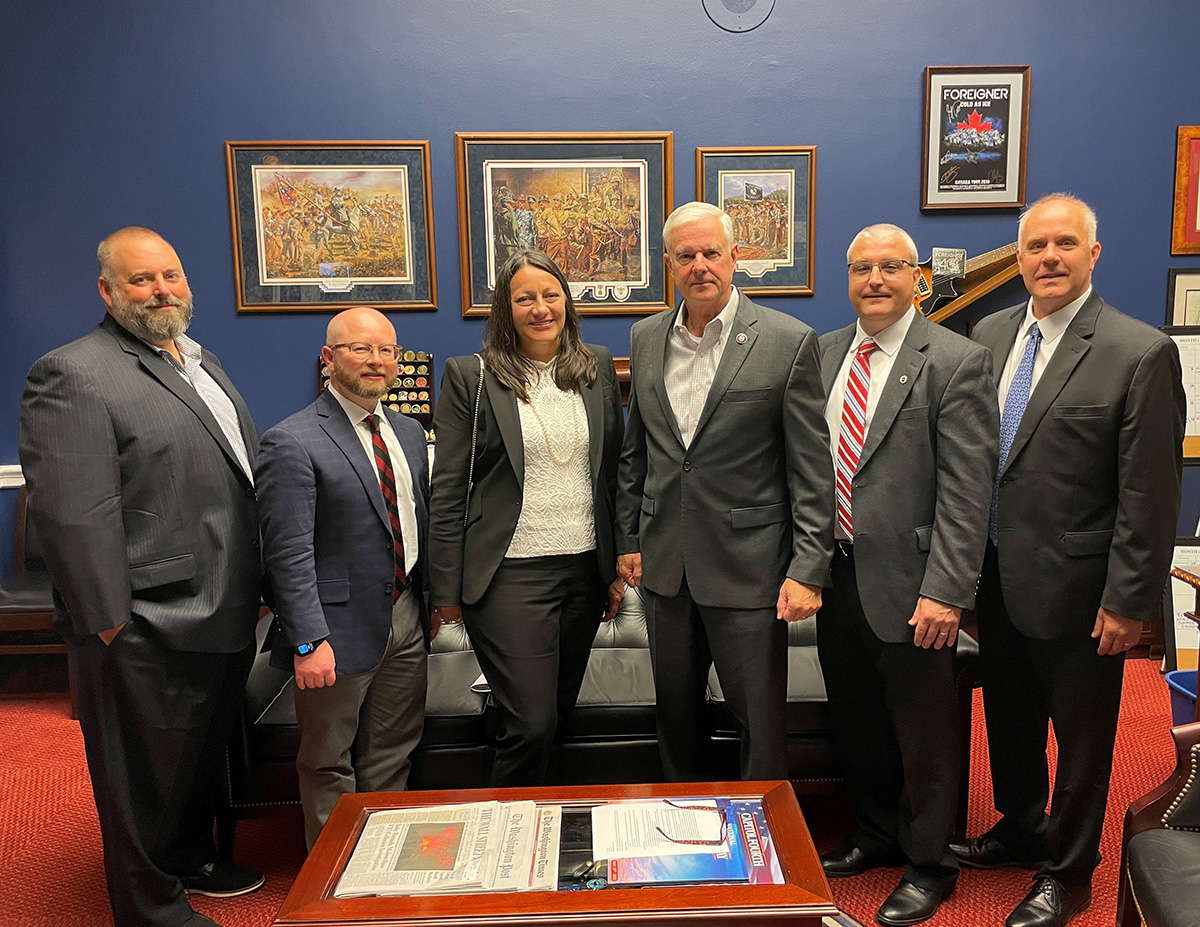
Last month, Tamarack’s Daniel Nelson and Andrew Hedstrom traveled to Washington, D.C., to participate in the annual Equipment Leasing and Finance Association (ELFA) Capitol Connections program. Alongside more than 140 ELFA members, they met with legislators to discuss the key issues facing the industry. We asked them to share their takeaways from the experience.
The annual event is designed to educate select members of Congress and the presidential administration about the $1 trillion equipment finance industry’s role as a major source of capital and investment in the United States and to positively influence federal policymakers who set the legislative and regulatory framework for the industry.
Currently, there is a great deal of conversation within the financial industry around the negative impact that the Consumer Financial Protection Bureau’s 1071 compliance ruling could have on business – especially small leasing companies. As a result, this year’s program focused on illustrating to congressional leaders its impact on the leasing industry.
But first, the teams had to educate the officials (and their staff) on exactly what section 1071 of the Dodd-Frank Act does.
“While it (1071) isn’t a very ‘sexy’ issue, most of the people the teams met with didn’t really understand it," said Nelson. “Only one of the aides to one of the senators came from a finance background, so he got it. Otherwise, we spent a lot of time explaining the rule and its potential impact.”
In 1974 Congress passed the Equal Credit Opportunity Act (ECOA), which prohibits discrimination in any aspect of a credit transaction. It applies to any extension of credit, including extensions of credit to small businesses, corporations, partnerships and trusts. Now, section 1071 requires financial institutions to collect and report data that could easily be used for discriminatory behavior. This could have a negative impact on the level of trust they have with their customers.
The ELFA leaders broke into teams who met with approximately 160 Senate and House offices and shared how the coming compliance with the rules in section 1071 would be overly burdensome. In particular, the ELFA members provided details on how the proposed legislation would be implemented and the challenges it would present regarding gathering personal data during the application process for prospective customers (race, gender, minority-owned, LGQBT+-owned, etc.), storing that data, keeping it separate from the decision-making process and then reporting that information back to the federal government.
Each ELFA team asked congressional members to:
- Help ease the burden by redefining a “small” company from <$5mm to <$1mm.
- Extend the period of time, if no changes are made to the rules, to get in compliance.
Each group impressed upon members of Congress the positive impact equipment finance companies have on the local economy and small businesses. This was especially true when finance companies in attendance talked about how many people they employed and how many customers they help with financing within each particular member’s district.
According to Hedstrom, “It hit home when we discussed how 1071 would make financing more expensive for small companies – especially for a sole proprietor landscaper who needs a Bobcat, or something like that.”
The Tamarack team will continue to follow the legislation closely as it progresses and is committed to helping leasing companies understand not only what it means to their organizations but also how to successfully implement the new processes. In the meantime, if you have any questions about 1071, contact Andy Hedstrom at ahedstrom@tamarack.ai or Dan Nelson at dnelson@tamarack.ai.